The Rise of AI-Powered Cities: How Smart Technology is Reshaping Urban Life in 2026
Across the globe, cities are no longer just concrete jungles — they are becoming intelligent, breathing ecosystems powered by artificial intelligence. From traffic management to energy distribution, AI is silently running the backbone of modern urban infrastructure.
Introduction
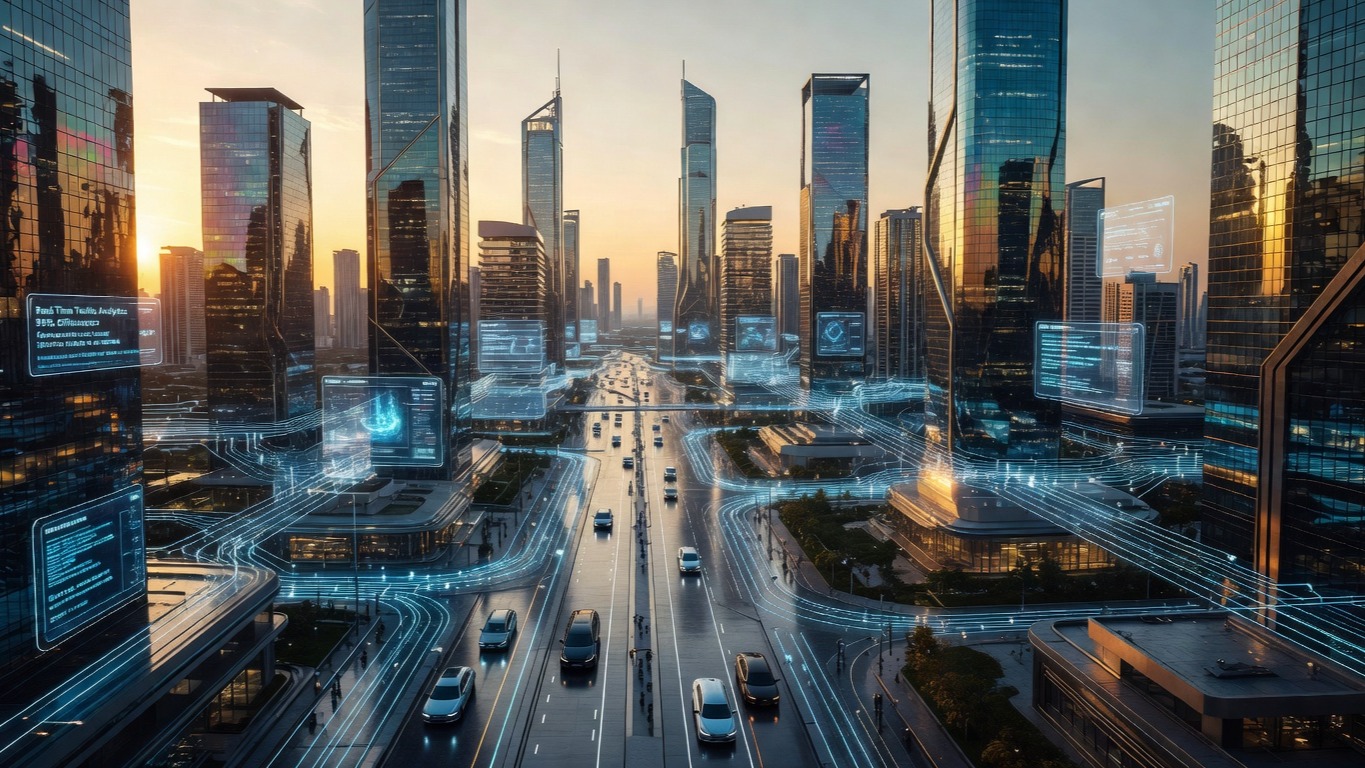
As we step into 2026, the notion of a city is evolving at an unprecedented pace. No longer just sprawling communities of concrete and steel, urban environments are transforming into dynamic ecosystems driven by artificial intelligence (AI). This AI-powered metamorphosis is enhancing the quality of life for residents, optimizing resource management, and promoting sustainability. From traffic management to energy consumption, smart technology is not just an accessory; it is becoming the backbone of modern urban life.
This post explores the multifaceted role of AI in reshaping our cities, examining how different sectors are being transformed and what the future may hold for urban living.
Traffic Management Revolution
One of the most visible applications of AI in urban environments is in traffic management. Traditional traffic systems often lead to congestion, wasted time, and increased pollution. In contrast, AI-driven traffic management utilizes real-time data to optimize traffic flow.
Smart Traffic Lights
Intelligent traffic signals equipped with sensors and machine learning algorithms analyze traffic patterns and adjust light timings accordingly. For instance, cities like Barcelona and Singapore have implemented AI-based signals that prioritize green lights for buses or emergency vehicles, reducing wait times and improving public transportation efficiency. This not only alleviates traffic congestion but also minimizes the carbon footprint of urban transport.
Predictive Analytics
Moreover, predictive analytics can forewarn cities about potential congestion hotspots, allowing them to deploy resources effectively. By integrating data from social media, event calendars, and GPS navigation, cities can create actionable predictions and direct law enforcement or traffic personnel where they are needed most. As a result, AI isn’t just making traffic flow better; it's paving the way for a smoother, smarter urban experience.
Energy Optimization
The pursuit of sustainability is at the forefront of modern urban planning, and AI is a crucial player in this endeavor. Smart grids powered by AI algorithms manage energy distribution in real-time, leading to both economic and environmental benefits.
Sustainable Energy Management
Through machine learning and predictive analytics, AI optimizes energy usage across households and businesses. For example, smart homes can automatically adjust their heating, cooling, and lighting based on occupancy patterns and weather forecasts. Cities like San Diego have adopted AI to manage renewable energy resources, enabling them to rely more on solar energy while balancing demand effectively.
Smart Meters
Smart meters equipped with AI capabilities analyze consumption patterns, helping consumers make informed decisions about their energy use. This increased awareness promotes responsible consumption and introduces incentives for reducing peak demand. As cities become smarter, energy conservation becomes a collective practice, contributing to a healthier planet.
Enhanced Public Safety
AI technologies are also changing the way cities approach public safety. With crime rates often correlating to urban density, leveraging AI for predictive policing has become instrumental.
Surveillance Systems
Cities like Chicago have implemented AI-powered surveillance systems that can detect unusual behavior patterns in crowded places, alerting law enforcement agencies in real-time. These systems use advanced facial recognition and activity recognition algorithms to identify potential threats before they escalate.
Emergency Response
Furthermore, AI can streamline emergency response operations. Algorithms processing data from various sources—like social media chatter about accidents or chaotic events—can inform first responders about developing situations, enabling quick and effective intervention. This proactive approach not only saves lives but also instills a sense of safety among residents.
Community Engagement through AI
An often-overlooked aspect of AI-powered cities is how these technologies enhance community engagement. By fostering communication between residents and local governments, AI is bridging the gap that often exists in urban administration.
Smart Platforms for Citizen Feedback
Many cities have adopted AI-driven platforms that facilitate real-time feedback from residents about various urban services, from waste collection to street maintenance. This enables city planners to make data-driven decisions that reflect the needs and desires of their communities.
Participatory Urban Design
Additionally, AI can help facilitate participatory urban design processes, allowing citizens to contribute actively to city planning. Using AI simulations, virtual reality, and community forums, urban planners can present potential developments and gather feedback, ensuring that new projects align with the community's vision.
Conclusion
As we witness the rise of AI-powered cities in 2026, it is clear that technology is fundamentally reshaping urban life. The integration of smart technology into daily urban operations enhances efficiency, promotes sustainability, and fosters community engagement. As cities continue to evolve into intelligent ecosystems, the emphasis on creating livable, sustainable, and interconnected urban environments will only grow.
The future is a tapestry woven from smart technology where urban dwellers thrive amidst innovation and collaboration, all orchestrated by the silent power of AI. The challenge ahead for city planners and residents alike is to continue embracing these technological advancements while ensuring they remain accessible, ethical, and inclusive for every individual. As we step forth into this new era, the promise of AI-powered cities holds immense potential for a brighter future.